
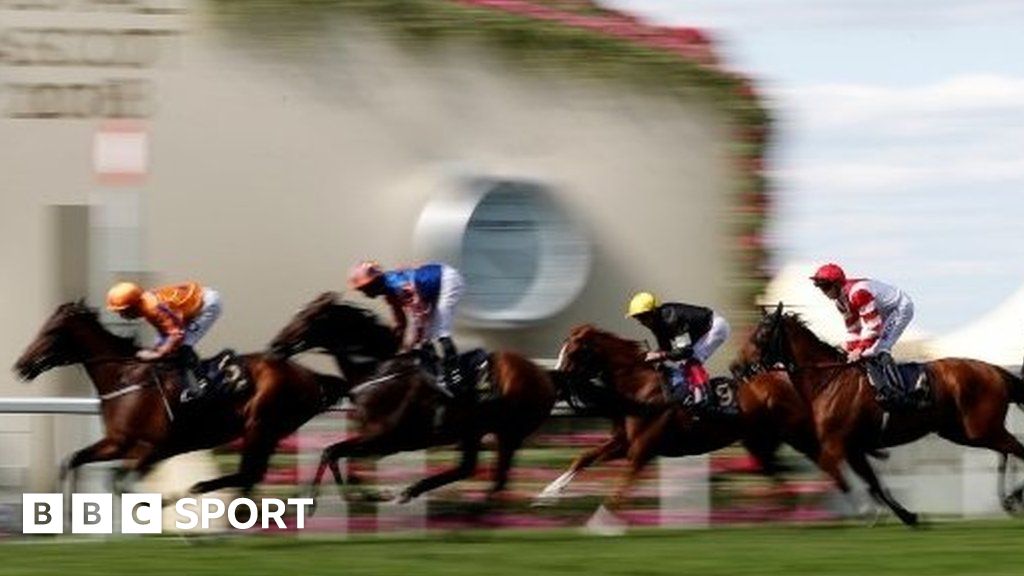
The Enchantment of British Horse Racing: A Deep Dive
When one thinks of British horse racing, images of magnificent thoroughbreds, roaring crowds, and elegantly dressed spectators often come to mind. However, the realm of horse racing in the UK is also marked by a series of regulations and guidelines that govern when and how these enchanting races take place. While traditional races capture the public’s imagination, not all aspects of British horse racing are about high stakes and grand spectacles. One segment of this fascinating industry is British horse racing not on GamStop non GamStop horse racing, which provides an alternative avenue for enthusiasts seeking excitement beyond the conventional racing experience.
The Historical Context of British Horse Racing
British horse racing boasts a rich history, dating back to as far as the Roman invasion. Originally, horse racing was an activity reserved for the elite, but over time, it evolved into a sport that garnered widespread popularity across various social classes. The establishment of recognized racing institutions, such as The Jockey Club in 1750, set the foundation for the modern racing landscape we see today. These early efforts aimed to regulate racing standards and promote fair play, which has led to the professionalization of sports in the UK.
Key Races and Events
Among the many races that take place throughout the year, a few stand out as iconic events that capture the public’s imagination. The Grand National, held at Aintree Racecourse, is one such highlight. Known for its challenging course and unpredictable outcomes, the Grand National attracts spectators from all walks of life, each with hopes of seeing their favorite horses triumph.
Other notable events include the Derby at Epsom Downs, where thoroughbred 3-year-olds compete for legendary status, and Royal Ascot, a week-long festival that brings together the best horses and the fashion elite. Each of these events has its own distinct aura, combining the thrills of competition with the social elements of enjoying a day at the races.
Understanding the Rules and Regulations
While excitement is the essence of racing, it’s crucial to understand the regulations that govern the sport. The rules are designed to ensure the welfare of the horses as well as fair competition. For example, strict guidelines dictate the standards of horse care, training protocols, and the qualifications for jockeys and trainers. Additionally, the British Horseracing Authority (BHA) oversees the sport, providing essential services such as licensing and anti-doping measures to promote integrity within the racing community.
The Role of Betting in Horse Racing
Betting is undeniably intertwined with horse racing, enhancing the overall experience for fans. Punters place bets on their favorite horses, often researching statistics and traditions to guide their choices. Betting provides an added layer of thrill, injecting excitement into the races as individuals root for their chosen horses, with financial stakes amplifying the emotional investment. The various formats of betting, such as win, place, and each-way betting, offer numerous ways for fans to engage with the sport.

However, with the rise of online betting platforms, the landscape of wagering has evolved significantly. Many horse racing enthusiasts now utilize platforms that operate outside traditional confines, such as non GamStop horse racing, in order to access more diverse offerings. This accessibility can lead to greater engagement among audiences who may not be inclined to participate in conventional betting environments.
The Future of British Horse Racing
The future of British horse racing is contingent upon numerous factors, including changes in regulations, public interest, and technological advancements. One emerging trend is the integration of technology into the racing experience. Innovations such as drone footage and real-time data analysis enhance the viewing experience, making it more interactive and engaging for audiences.
Moreover, horse racing is addressing sustainability issues, focusing on the welfare of the horses and the environmental impacts of the sport. Initiatives aimed at ensuring that horses receive appropriate care and that the industry operates sustainably will be crucial in attracting younger audiences concerned about ethical considerations.
Conclusion
The captivating world of British horse racing is a complex interplay of tradition, excitement, and regulation. As the sport continues to evolve, it is essential to embrace innovations and maintain a focus on the welfare of horses. Whether you are a casual viewer or a dedicated enthusiast, the richness of horse racing offers something for everyone. As new avenues, such as non GamStop platforms, emerge, they provide exciting options for fans looking to deepen their connection with the sport in a manner that fits their preferences.