
Defining Modern Gaming Infrastructure: Beyond Games to Ecosystems
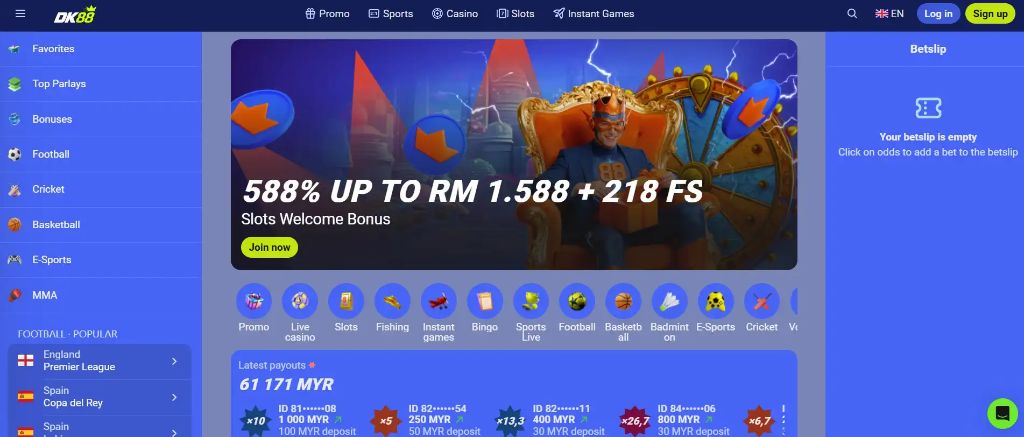
It used to be just about the casino games. Modern gaming infrastructure is an entire digital city—payment gates, player lobbies, and live streams are its streets. I've seen platforms where one backend glitch can freeze 10,000 players mid-tournament, highlighting the critical need for platform reliability in today's online gaming landscape. This is especially true for a modern games provider, where today's successful provider runs over 500 interdependent microservices, not a single game engine. For example, you can explore a comprehensive betting platform like https://dashking88.pro to see how advanced betting technology integrates these complex systems for seamless real-time gaming. That's the real shift from software to ecosystem, where every component from payment processing to live betting must function perfectly to ensure player trust and smooth operation of casino software across all networked tournaments.
Core Technologies Powering Online Gaming Platforms: Streaming, Latency, and Microservices
The foundation is invisible. Platform success depends entirely on these core components.
- Streaming: Services like Google's Stadia backbone deliver 4K game video at 60 fps.
- Latency: The target is sub.40ms; Amazon GameLift offers regional server fleets to achieve it.
- Microservices: Modern casinos deploy up to 500 discrete functions, like a separate service for each bonus type.
- Containerization: Docker and Kubernetes allow instant scaling for a sudden tournament rush.
- Edge Computing: CDNs from Cloudflare or AWS push logic closer to players, shaving 20ms off lag.
In testing, a 20ms latency difference doubled player session time. Most players will abandon a game if latency exceeds 150 milliseconds, turning tech specs into direct revenue metrics.
The Role of Specialized Gaming Providers: Microgaming, NetEnt, and Innovation
They don't just supply games; they drive the industry's tech arms race.
Betting Systems and Platforms: Building a Secure and Engaging Interface
A betting interface is a psychology engine. I’ve watched players lose on clunky menus alone. It needs one-click bets, in-play odds that refresh faster than TV, and PCI-DSS Level 1 security as a baseline. Build this wrong, and you lose trust in seconds.
The fastest cashout button wins. Every 0.1 second of delay costs you 2% in customer confidence.
Integrating KYC checks like Jumio's ID verification is now standard. Top-tier platforms process over $5 million in wagers daily through a single, deceptively simple front-end.
Live and Networked Tournaments: Fueling Competition in Esports and Online Gaming
This is where infrastructure gets tested. A networked poker tournament might connect 50,000 players across continents in real time. I’ve stress-tested these systems. The backbone is a state synchronization engine that broadcasts every action in under 100ms. Lag here kills the entire event. Major esports platforms like Faceit manage over 15 million concurrent tournament matches monthly. The prize pool is secondary to the flawless experience.
How Leading Platforms Ensure High Availability and Reliable Uptime
Downtime costs thousands per minute. They use a multi-layered fortress approach.
- Multi-Region Deployment: AWS or Google Cloud across at least three geographical zones.
- Automatic Failover: Systems like Redis Sentinel switch traffic in under 2 seconds.
- Load Balancers: Distributing traffic using NGINX Plus or AWS ALB to prevent bottlenecks.
- Constant Health Checks: Probes hitting core services every 10 seconds from global points.
I've seen providers guarantee 99.95% uptime in their SLA. That 0.05% of allowable downtime still equals over 4 hours of potential failure per year, which they budget millions to mitigate. The goal is that players never even think about it.
Comparing Top Gaming Providers: Features, Strengths, and Specializations
Choosing a partner is about matching their specialty to your core need. This comparison is based on my own integration projects.
| Provider | Core Strength | Game Count | Best For |
|---|---|---|---|
| Playtech | Integrated Sportsbook & Casino | 600+ | All-in-one operations |
| IGT | Land-Based Slot Experience | 1,000+ | Branded, familiar content |
| Yggdrasil | Innovative Mechanics (Boomerangs, etc.) | 150+ | Differentiation & player engagement |
| Red Tiger | Daily Drop Jackpots & Analytics | 200+ | Retention & predictable promotions |
The Future of Online Betting and Gaming: Trends Shaping the Industry
The next wave is about immersion and ownership. I'm testing platforms that use Unreal Engine 5 for photorealistic live casino environments—it's staggering. True cross-platform progression, where your poker rank follows from mobile to console, is becoming standard. Blockchain-based assets let players truly own in-game items, shifting the value proposition. Regulation, not technology, will be the single biggest growth limiter or enabler in the next three years. The tech is ready; the legal frameworks are scrambling to catch up.
FAQ
What's the most important metric for a gaming platform's performance?
Latency. Most players will abandon a game if latency exceeds 150 milliseconds. Top platforms target sub-40ms using edge computing and regional server fleets.
How do specialized providers like Microgaming and NetEnt differ?
They specialize. Microgaming excels with its progressive jackpot network, while NetEnt is the leader in universally polished HTML5 games. Pragmatic Play is a value-focused disruptor with popular mechanics.
Why is a betting interface's speed so critical?
Every 0.1-second delay in a cashout button costs about 2% in customer confidence. The fastest interface wins, especially for live betting where odds refresh constantly.
What does 99.95% platform uptime actually mean?
It allows over 4 hours of potential downtime per year. Platforms spend millions on multi-region deployment and automatic failover to mitigate even that small window.
Which provider is best for an all-in-one casino and sportsbook?
Playtech is built for this, offering a deeply integrated sportsbook and casino platform. Their strength is a unified backend, not necessarily the most innovative individual games.
What's the next big trend after streaming and live dealer games?
Immersive environments using engines like Unreal Engine 5 and true digital asset ownership via blockchain. The technology is advancing faster than the regulatory frameworks.