
In recent years, the health and wellness industry has seen a surge in the popularity of dietary supplements, particularly those aimed at weight management. One such product that has gained attention is LeanBiome, a weight loss supplement that claims to support healthy weight loss by improving gut health. This case study aims to provide a thorough review of LeanBiome, examining its ingredients, effectiveness, and user feedback.
LeanBiome is marketed as a probiotic supplement that combines a unique blend of prebiotics and probiotics. The core premise behind LeanBiome is that a healthy gut microbiome can significantly impact weight management. The product contains a proprietary blend of ingredients, including Lactobacillus and Bifidobacterium strains, which are known for their beneficial effects on gut health. Additionally, LeanBiome includes a range of prebiotic fibers that serve as food for these probiotics, promoting their growth and effectiveness.
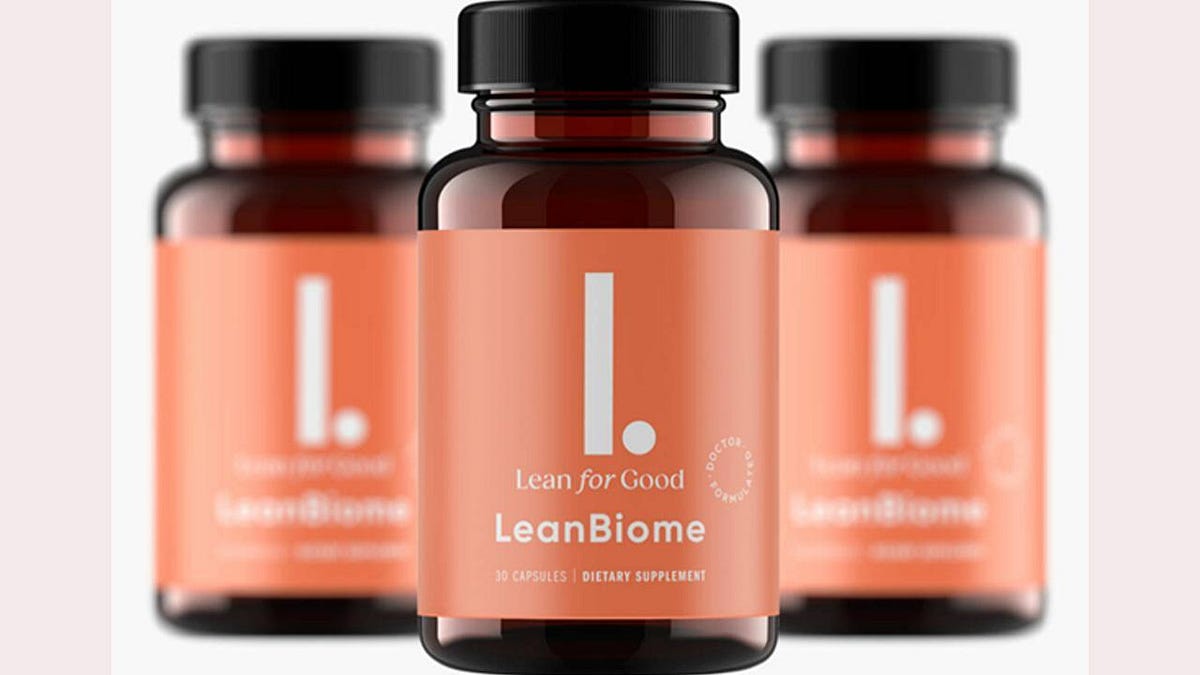
One of the key claims made by LeanBiome is that it helps to reduce appetite, increase metabolism, and improve digestion. By targeting gut health, the supplement aims to create an environment that supports weight loss and overall well-being. The rationale is that an imbalance in gut bacteria can lead to weight gain, and by restoring this balance, users may find it easier to manage their weight.
To assess the effectiveness of LeanBiome, it is essential to consider user feedback and clinical evidence. Many users have reported positive experiences with the supplement, noting improvements in digestion, reduced cravings, and a gradual loss of weight. Some individuals have shared success stories, highlighting their ability to lose several pounds within a few weeks of incorporating LeanBiome into their daily routine. However, it is important to note that results can vary significantly from person to person, and not all users have experienced the same level of success.
Critics of LeanBiome point out that while the ingredients are generally regarded as safe, the scientific evidence supporting the specific claims of the product is limited. Most of the research on probiotics and weight loss is still in its early stages, and more rigorous clinical trials are needed to establish a direct causal relationship between probiotic supplementation and weight loss. Additionally, some experts caution that relying solely on supplements without making lifestyle changes, such as adopting a balanced diet and regular exercise, may not yield significant results.
In conclusion, LeanBiome presents an intriguing option for individuals seeking to improve their gut health and support their weight loss journey. While many users report positive outcomes, it is essential to approach the product with realistic expectations and an understanding that results may vary. As with any supplement, it is advisable to consult with a healthcare professional before starting leanbiome review, especially for individuals with pre-existing health conditions or those taking other medications. Ultimately, LeanBiome may serve as a useful tool in the broader context of a healthy lifestyle, but it should not be viewed as a standalone solution for weight management.