
In an ever-expanding digital world, the number of websites continues to grow exponentially. Many users may wonder which sites are not on popular listing platforms. Understanding this can help you uncover hidden gems of the online sphere. For those interested in gaming, the debate around which sites are not on GamStop? casinos not under GamStop brings additional layers to the conversation about online sites that operate outside of mainstream regulations.
The reason many sites are not listed on platforms like GamStop or other regulatory bodies often ties back to licensing and operational practices. For instance, some websites may opt for alternative licensing jurisdictions that offer more relaxed regulations. This means they are not subjected to the same oversight frameworks as their counterparts, which can often create a unique and less restricted environment for users.
The Appeal of Unregulated Sites
One of the main attractions of websites that are not under the aegis of recognized regulatory bodies is the freedom they offer. Users looking for less conventional online experiences are often drawn to sites that operate in a grey area. These sites might provide a broader range of games, promotional offers, and bonuses that regulated sites cannot.
However, caution is advised when navigating such platforms. The absence of regulation can lead to increased risk for users, including issues around fairness, payouts, and customer support. Therefore, it is crucial to conduct thorough research and ensure that any site you choose to engage with has a solid reputation and positive reviews from other users.
Identifying Non-Regulated Sites
Identifying sites that are not under specific regulatory bodies can sometimes be straightforward. Simple searches can reveal forums and websites discussing the latest unregulated sites in various niches, including online casinos, online shopping, and content creation platforms.
These communities can often provide insights, but it’s essential to take user reviews and feedback with a grain of caution. Some forums may showcase bias, depending on the affiliations or interests of the users. Always look for a combination of reviews across multiple platforms to gauge the overall reliability of a particular site.
The Risks of Using Unlisted Sites
While the allure of unregulated sites can be strong, there are inherent risks involved. One of the most significant concerns is the lack of consumer protection. Regulated sites are obliged to adhere to strict guidelines that are designed to safeguard users; when these guidelines are absent, users may find themselves facing unfair practices without a watchdog to turn to.
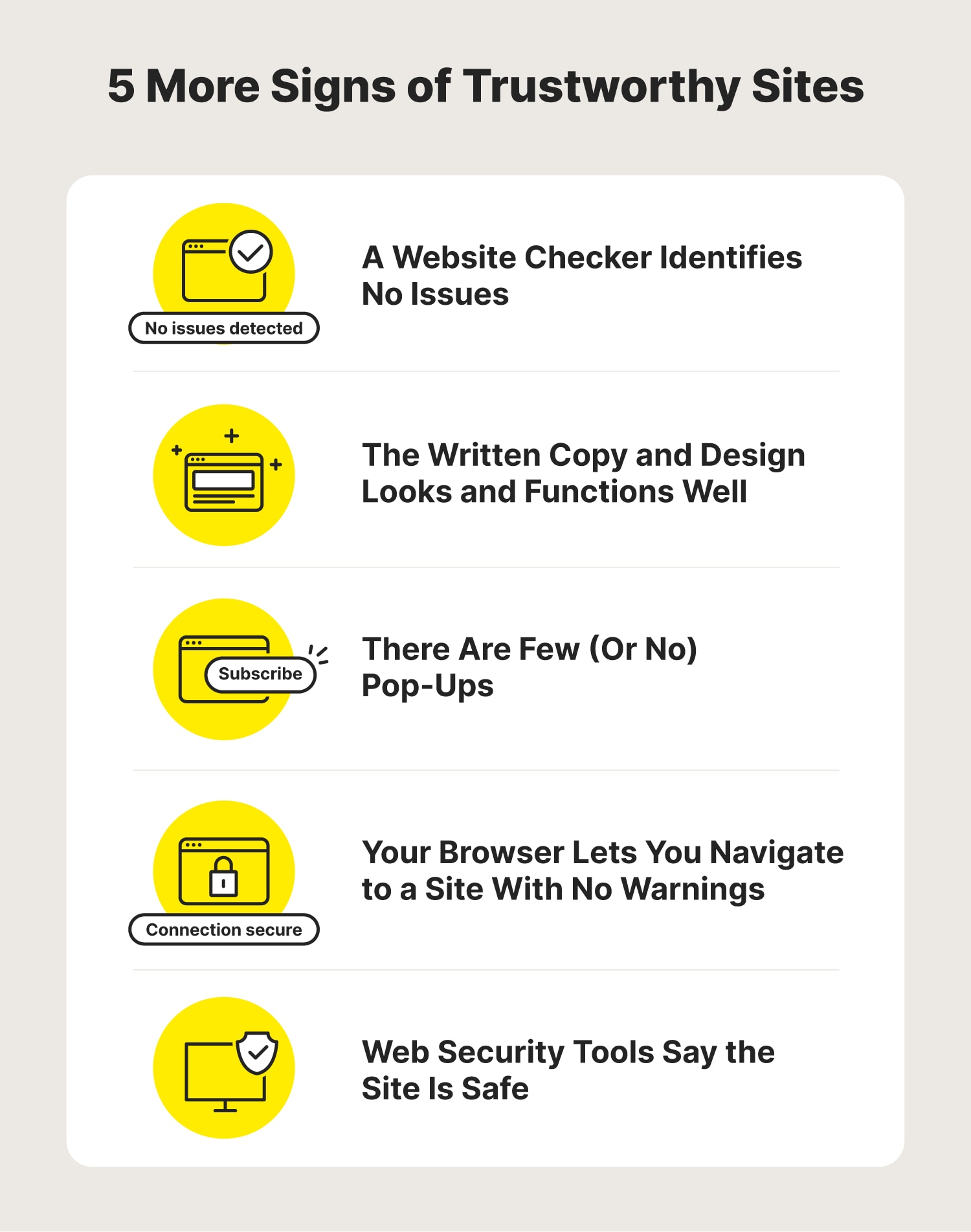
Additionally, unregulated sites may pose security risks. Without the requirement to meet specific standards, there’s a higher chance of encountering sites that are not adequately secured. This can expose players to hacking attempts, data breaches, and other online threats. Therefore, before selecting any platform, it’s vital to look for signs of a secure website, such as HTTPS encryption and robust privacy policies.
The Future of Unregulated Sites
The digital landscape is constantly evolving, and so are the regulations governing it. The rise of cryptocurrencies and decentralized platforms is pushing the boundaries of how we define regulation in the online space. Unregulated sites may become even more common as technology advances and users gravitate towards platforms that emphasize anonymity and less oversight.
However, it’s essential to recognize that as these trends grow, so do the efforts of regulatory bodies to adapt and address the changing environment. This means that while there may continually be unregulated sites available, the future may see more stringent measures and improvements in oversight as consumers become more demanding of protections.
Choosing the Right Sites for You
Ultimately, while many users may be drawn to websites that are not on conventional regulatory platforms, the decision comes down to personal preferences and risk tolerance. For those who prioritize safety and regulatory protections, sticking with mainstream platforms may be best. For users willing to explore the less-traveled paths of the internet, caution and due diligence are crucial.

When assessing any online site, whether regulated or not, be sure to review their reputation, understand the terms and conditions, and be mindful of the risks involved. Being an informed user is the key to a safe and rewarding online experience.
In conclusion, as the online experience continues to diversify, the number of sites outside mainstream listings will likely grow. By understanding the landscape and being aware of the factors that dictate which sites are not on popular lists, users can navigate their digital journeys with more confidence.