
The Importance of IP Rotation: When You Really Need It
In today’s digital landscape, where competition is fierce and the rules of engagement often change, marketers must continually adapt their strategies to maintain a competitive edge. One significant technique gaining traction is IP rotation. Understanding when and why to implement IP rotation can be the difference between a successful campaign and one that leads to wasted resources and limited reach. This article delves into the concept of IP rotation, its applications, and when it is essential to leverage it in your marketing strategy.
What is IP Rotation?
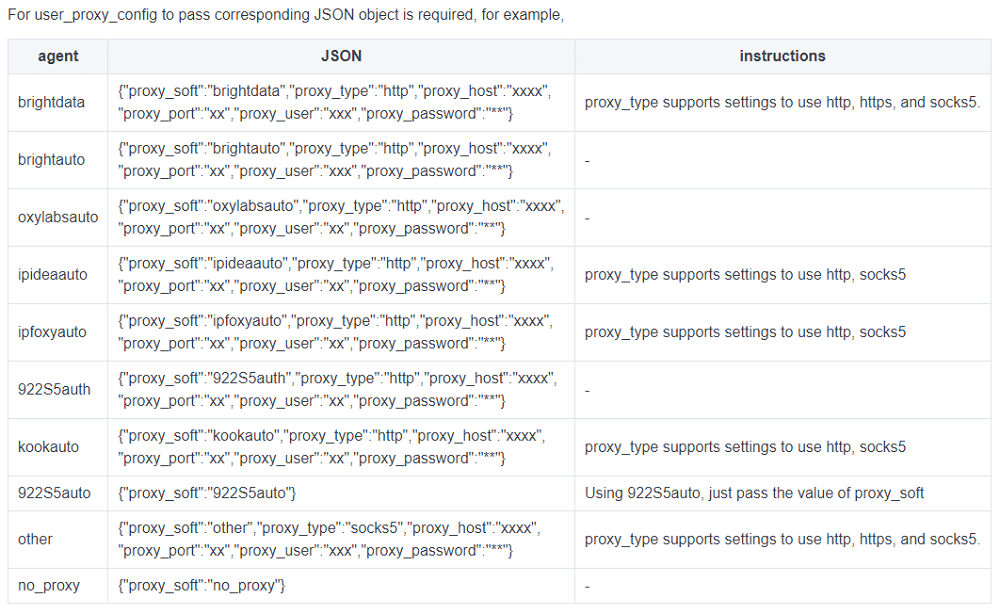
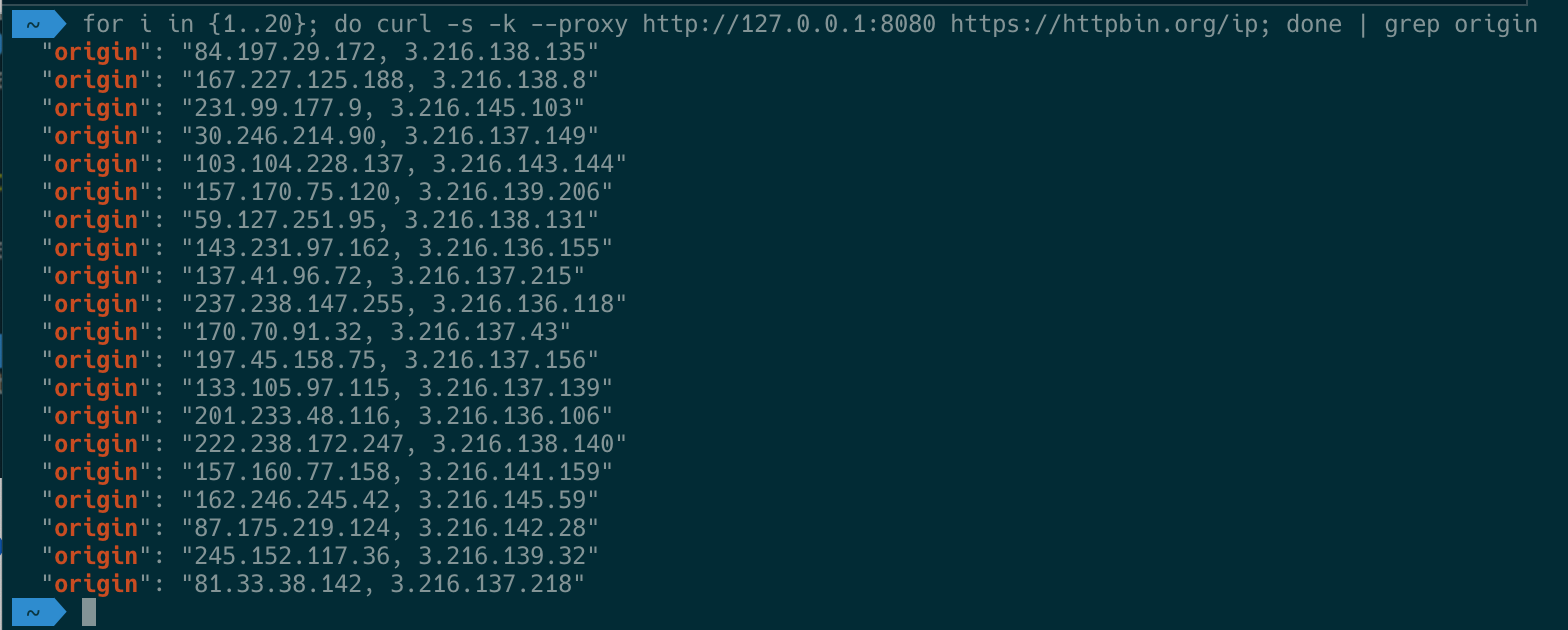
IP rotation refers to the practice of changing the IP address assigned to a device or server, often at regular intervals. This technique is commonly used in various online activities, particularly in those that require web scraping, automation, or multiple account management. By cycling through a pool of IP addresses, users can avoid detection and the potential revocation of access to services. This is especially crucial in scenarios where multiple requests or actions are performed from the same IP address, which may lead to throttling or banning.
Why is IP Rotation Important?
1. Preventing Bans: Many social media platforms and advertising networks monitor IP addresses for unusual activity. Continuous use of the same IP to post ads or scrape data can trigger flags that may lead to account suspension. By rotating IPs, marketers can mitigate this risk.
2. Enhancing Privacy: IP rotation helps maintain anonymity online, particularly when engaging in competitive research or gathering intelligence. This allows marketers to collect data without exposing their identity or intentions.
3. Reducing Rate Limiting: Websites often impose rate limits on requests from a single IP address to prevent abuse. By rotating IPs, users can spread their requests over several addresses, reducing the likelihood of hitting these limits.
4. Geolocation Targeting: With IP rotation, marketers can simulate access from different geographical locations. This feature can be invaluable for running targeted ad campaigns in various regions without needing physical presence.
When to Use IP Rotation
1. Running Facebook Ads
Facebook ads are an essential part of numerous marketing campaigns, yet managing many accounts can often run into issues of bans and account suspensions. If you’re managing multiple accounts or running aggressive advertising campaigns, IP rotation becomes a necessity to prevent account lockouts due to suspicious activity.
2. Scraping Data
Data scraping is a common practice used for competitive analysis, market research, and gathering insights. However, many sites employ mechanisms to prevent bots from accessing and scraping their information. By using IP rotation, marketers can effectively bypass these restrictions, gathering the data they need without getting blocked.
3. Testing and Quality Assurance
In the realm of web development and software testing, running tests from various IP addresses can ensure that applications respond correctly to users from different regions. This approach aids in uncovering geolocation-related bugs and ensures a consistent user experience across the board.
4. Cybersecurity Measures
For businesses concerned about data breaches or cyber threats, implementing IP rotation can be part of a broader cybersecurity strategy. It creates an additional layer of security by making it more challenging for attackers to pinpoint a single access point into your network.
Implementing IP Rotation Effectively
To implement IP rotation effectively, businesses must consider several factors:
- Choosing the Right Provider: Several services offer IP rotation solutions, but not all are created equal. Research and choose a reputable provider that meets your specific needs.
- Determining Rotation Frequency: Depending on your activities, decide how frequently you need to change your IP address. For high-volume activities, frequent rotation may be necessary.
- Monitoring Performance: Continuously assess the effectiveness of your IP rotation strategy. Monitoring metrics such as ad performance and account health can help you fine-tune your approach.
- Compliance and Legal Considerations: Always adhere to the legal frameworks surrounding data collection and online privacy. Make sure your IP rotation practices comply with industry standards.
Conclusion
In the fast-paced digital environment, adapting and leveraging techniques such as IP rotation is crucial for marketers looking to optimize their strategies. From preventing account bans on platforms like Facebook to enhancing data scraping capabilities, IP rotation plays a vital role in maintaining a competitive edge. By understanding when and how to implement this strategy, businesses can enjoy increased online freedom, expanded reach, and ultimately, greater success in their marketing endeavors.
For more information on IP rotation and its significance in Facebook ads, visit the following link: IP Rotation: When You Really Need It in Facebook Ads https://crazyfb.shop/en/page/rotaciya-ip-adresov-kogda-ona-deystvitelno-nuzhna-v-facebook-ads.