

Understanding Interpol Yellow Notices: A Comprehensive Guide
In a world where the safety of children and vulnerable individuals is paramount, international cooperation is often vital for resolving cases involving missing persons. One of the key tools at the disposal of law enforcement agencies worldwide is the Interpol Yellow Notice. This article delves into the significance, objectives, procedures, and impact of these notices. For further detailed exploration, you can refer to information on Interpol yellow notices.
What is an Interpol Yellow Notice?
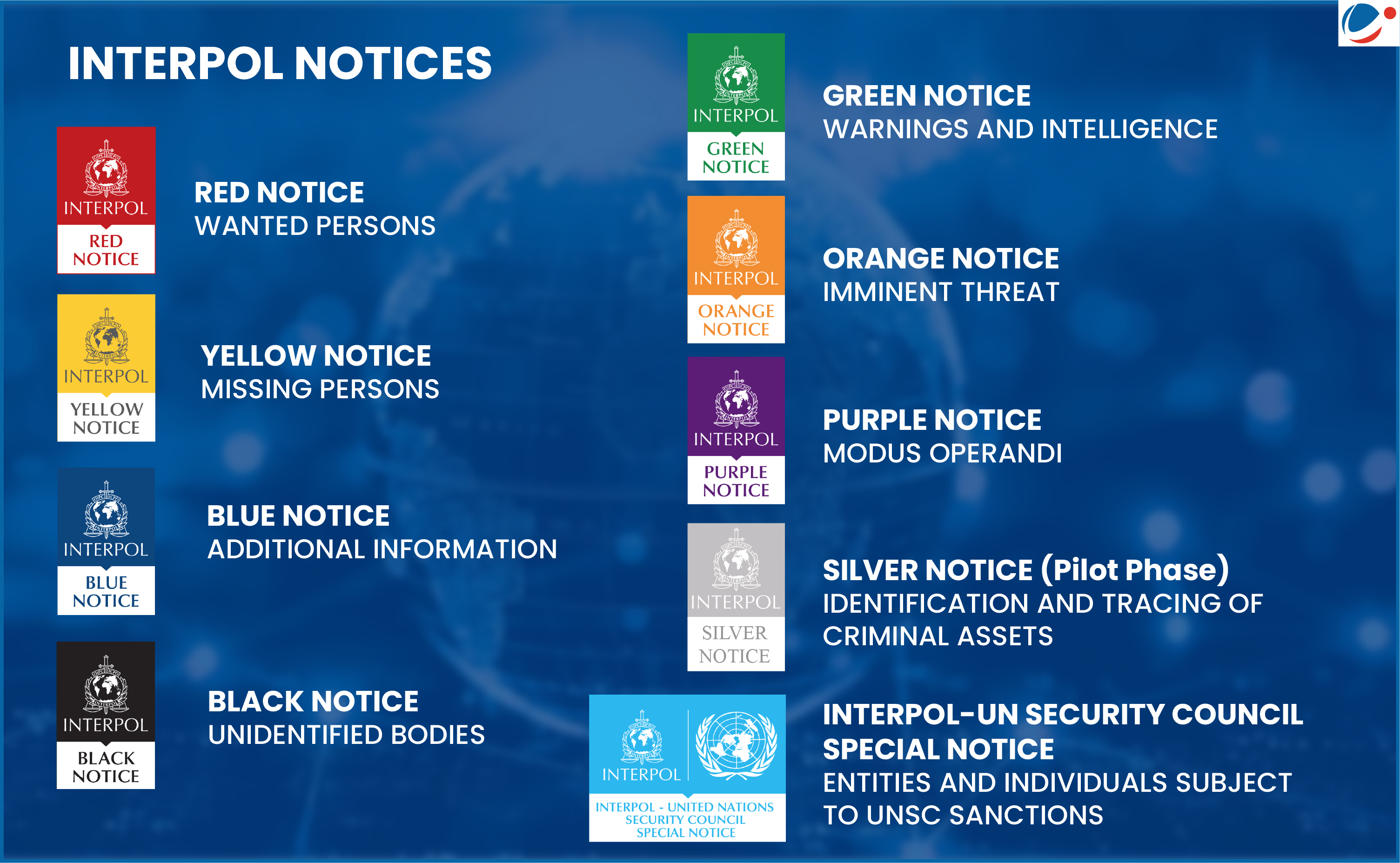
An Interpol Yellow Notice is a request issued by Interpol to its member countries, aimed at assisting in the identification and location of missing persons, particularly minors, or to help identify individuals who are unable to identify themselves. These notices play an essential role in international law enforcement cooperation, enabling authorities to share crucial information quickly and efficiently.
Purpose of Yellow Notices
The primary purpose of a Yellow Notice is to seek assistance in finding missing persons, especially children. They are used in various scenarios, including cases of abduction, runaway minors, and situations involving individuals suffering from mental health issues who may be unable to return home. By disseminating information about missing persons to police departments and border control agencies globally, Interpol aids in enhancing the chances of locating these individuals swiftly.
The Procedure for Issuing Yellow Notices
The process for issuing a Yellow Notice involves several steps that need to be followed by law enforcement agencies. Firstly, the request to issue a Yellow Notice typically comes from the national police department, which submits a request through Interpol’s secure communications system. The request must include all relevant information about the case, such as a detailed description of the missing person, photographs, and any other pertinent data that could aid in their identification.
Once the request is received, Interpol reviews the information to ensure that it meets the criteria for a Yellow Notice. If approved, the notice will be circulated to Interpol’s member countries, who are then tasked with disseminating the notice to their respective local law enforcement agencies.
Content of a Yellow Notice
A Yellow Notice typically contains several key pieces of information, including:
- The name and any known aliases of the missing person.
- Photographs, which are crucial for identification.
- Physical descriptors such as age, height, weight, hair color, and any distinguishing marks.
- Details surrounding the circumstances of the disappearance.
- Information regarding the person who may have been involved in the disappearance, if applicable.
Examples of Successful Interventions
Throughout its operational history, Interpol has seen numerous instances where Yellow Notices have successfully contributed to reuniting missing persons with their families. In many cases, local police forces have acted upon Yellow Notices, leading to the speedy recovery of missing children from domestic abductions or crossing borders to seek refuge.
One notable case involved the prompt issuance of a Yellow Notice that led to the disco
very of a young girl abducted in one country but found years later in another country. Such success stories highlight the importance and effectiveness of Interpol Yellow Notices in international policing.
Limitations and Challenges
While Yellow Notices serve an invaluable purpose, they are not without their limitations and challenges. One significant challenge is ensuring that the information disseminated is accurate and up-to-date, as any errors can lead to confusion or misidentification. Moreover, the effectiveness of Yellow Notices heavily relies on quick responses from local law enforcement and other agencies. Timeliness is crucial, as the chances of successfully locating a missing person decrease over time.
The Role of Technology
The evolving landscape of technology plays a significant role in the effectiveness and efficiency of Yellow Notices. With the advent of social media platforms and mobile technology, law enforcement agencies have begun to utilize these channels to augment their outreach efforts when a Yellow Notice is issued. Social media allows for rapid dissemination of information, enabling communities to unite in the search for missing persons.
Moreover, technology aids in data collection and analysis, which can provide critical insights into patterns of abduction, disappearance, and the successful recovery of missing individuals. By leveraging these advancements, authorities can improve their strategies and responses regarding missing persons cases.
Conclusion
Interpol Yellow Notices are crucial tools in the ongoing fight to protect vulnerable individuals, particularly children, and to facilitate international cooperation in locating missing persons. While challenges do exist, the collaborative efforts of law enforcement agencies, aided by technology, continue to make strides in enhancing the effectiveness of these notices. It is imperative for communities to remain vigilant and proactive, as the combined efforts of law enforcement and society play a significant role in ensuring the safety and legitimacy of the Yellow Notices issued by Interpol.