
Understanding OFAC Compliance: A Guide for Businesses
In today’s global economy, businesses often engage in international transactions that require adherence to various regulatory frameworks. One critical aspect is compliance with the Office of Foreign Assets Control (OFAC). This guidance on OFAC compliance will elucidate the importance of OFAC regulations, the nuances of compliance, and the steps organizations can take to ensure they remain on the right side of the law.
What is OFAC?
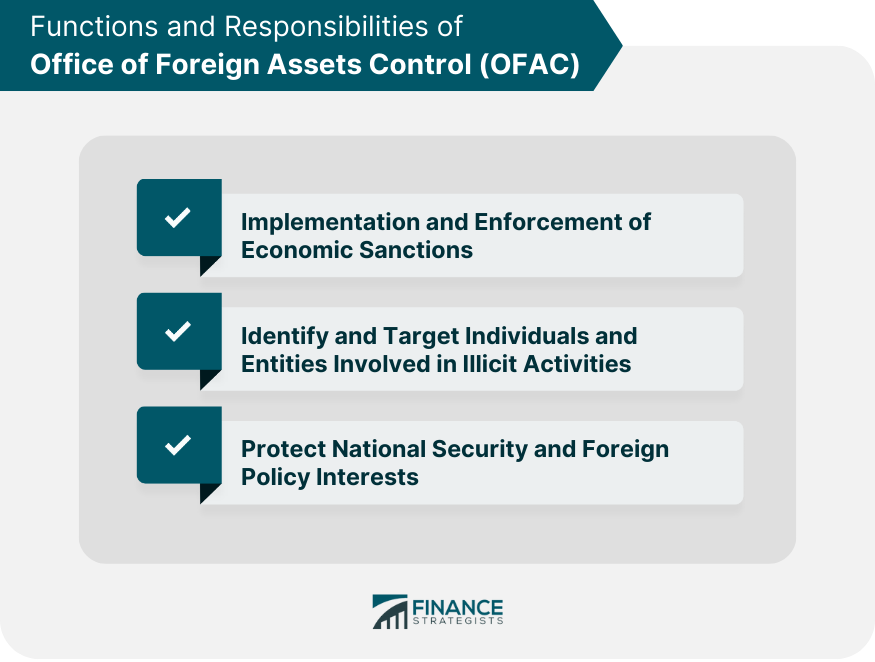
The Office of Foreign Assets Control (OFAC) is an economic and trade sanctions enforcement agency of the U.S. Department of the Treasury. Established to implement and enforce various economic sanctions against foreign countries and regimes, as well as individuals and entities tied to terrorism, narcotics trafficking, and other illicit activities, OFAC plays a crucial role in U.S. national security and foreign policy. Compliance with OFAC regulations ensures that businesses do not unwittingly engage in transactions that benefit sanctioned individuals or countries.

The Relevance of OFAC Compliance
OFAC compliance is essential for companies, particularly those that engage in foreign trade or have foreign partnerships. Not adhering to OFAC regulations can lead to severe penalties, including hefty fines and restrictions on doing business with the U.S. market. In a landscape where globalization is the norm, businesses must be vigilant in their compliance efforts to avoid damaging legal repercussions and maintain their reputational integrity.
Key OFAC Regulations
Understanding the specific regulations enforced by OFAC is critical for businesses. OFAC maintains a list of Specially Designated Nationals and Blocked Persons (SDN List) who are not permitted to engage in commercial transactions with U.S. businesses. Additionally, OFAC sanctions various countries with specific business restrictions.
While the sanctions enacted by OFAC vary depending on geopolitical circumstances, businesses should be prepared to navigate the complexities of these regulations. It is imperative for organizations to continually monitor the SDN list and any changes to sanctions as part of their compliance measures.
Steps to Ensure OFAC Compliance
1. Risk Assessment
Companies must conduct a thorough risk assessment to identify potential exposure to sanctions. This involves reviewing current and prospective partners, customers, and suppliers to ensure they are not listed on the SDN List or linked to sanctioned entities.
2. Develop a Compliance Program
Implementing a robust compliance program is crucial for ensuring adherence to OFAC regulations. This program should include clear policies, procedures, and training for employees on compliance obligations. Regular audits and assessments can help identify areas for improvement.
3. Utilize Screening Tools
Employing automated screening tools can greatly enhance compliance efforts. These tools allow businesses to easily check individuals and companies against the SDN List and other relevant sanctions lists before engaging in transactions.
4. Training and Education
Training employees on the significance of OFAC compliance is essential for fostering a culture of compliance within the organization. Regular training sessions can help employees recognize which transactions may pose risks and how to approach them appropriately.
Consequences of Non-Compliance
Ignoring OFAC compliance can result in severe consequences for businesses, including substantial fines, criminal charges against executives, and loss of access to U.S. financial systems. Furthermore, non-compliance can damage a company’s reputation, making it difficult to establish trust with customers and partners.
Final Thoughts
In an era of increasing scrutiny and regulation, OFAC compliance is more important than ever for businesses engaged in international commerce. By understanding the complexities of OFAC regulations and implementing proactive compliance measures, companies can mitigate risks and protect their operations from potential legal pitfalls. Not only does compliance help safeguard against penalties, but it also fosters goodwill and trust among stakeholders, strengthening the overall reputation of the business in a competitive marketplace.
In conclusion, the landscape of international business is ever-evolving, and staying informed about OFAC compliance is a necessary endeavor for any business that engages beyond domestic borders. With the right practices in place and a commitment to compliance, organizations can navigate the complexities of OFAC regulations with confidence.